
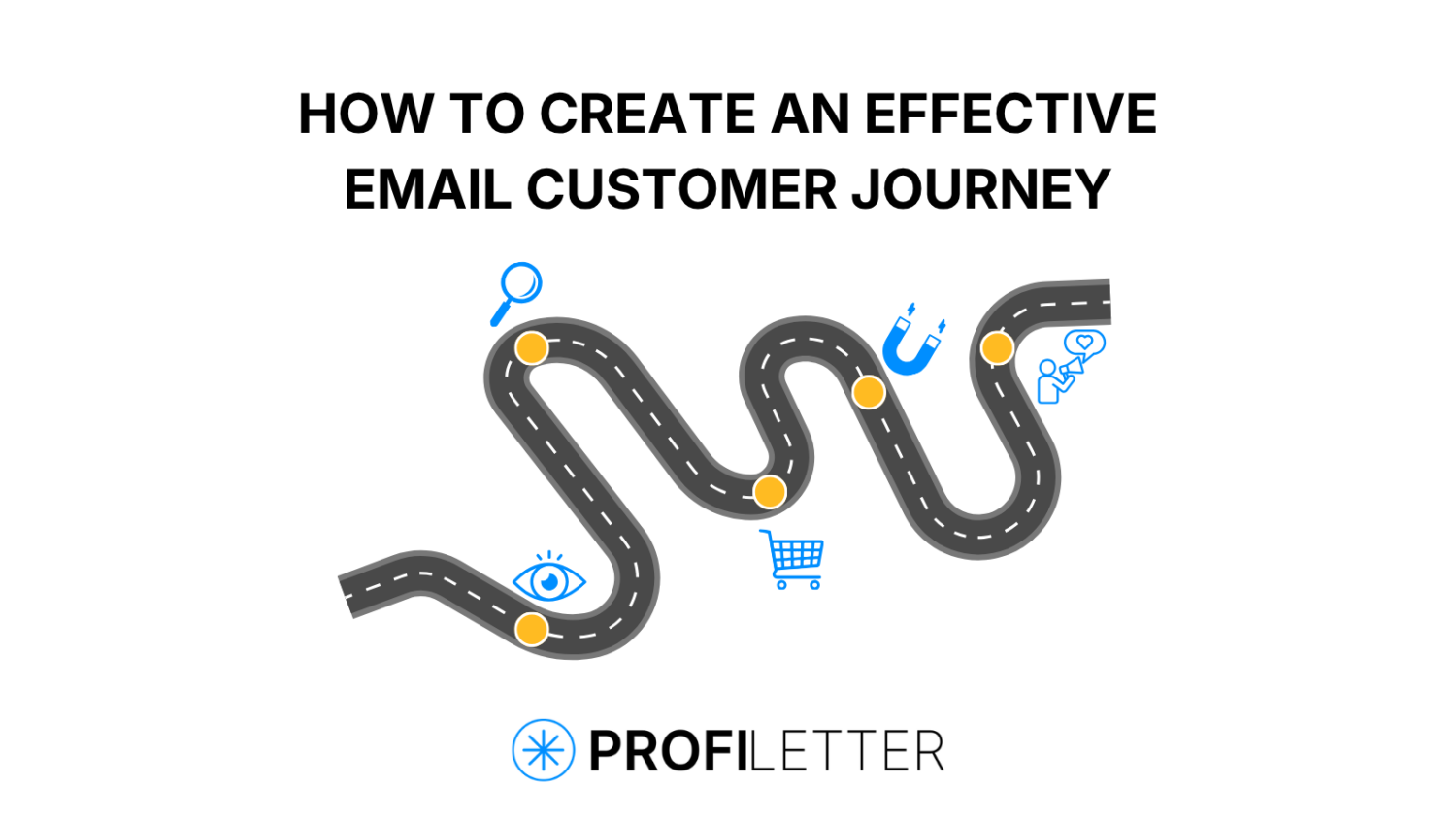
Customers do not move through a relationship with a brand in a straight line. They may discover a product, compare options, make a purchase, need support, and return later.
An effective email customer journey gives each email a clear place in the wider customer experience. Instead of sending emails as separate campaigns, it creates continuity between interactions.
What even is an email customer journey?
The email customer journey is a roadmap showing how email supports customers throughout their relationship with a brand. It connects emails to the customer’s needs, questions, and decisions, making it easier to see why each email is being sent and what progress it is encouraging.
The stages of the customer lifecycle – awareness, consideration, purchase, onboarding, retention, and advocacy – are useful landmarks. However, they should not be treated as a fixed sequence. Customers may skip stages or complete parts of their journey through another channel.
Choose one route to start with
Trying to map the entire customer relationship at once often creates a journey that is too broad or too confusing to be useful. Begin with one customer group and one part of the experience.
This could be a new subscriber moving from awareness to consideration, a potential buyer moving toward purchase, or a first-time buyer moving from purchase to onboarding.
Try to describe the route in one sentence. For example: “This journey helps first-time buyers move from receiving their order to using the product successfully.”
Define what progress looks like
An email marketing journey should help a customer move towards a meaningful outcome. Before deciding which emails to send, define what you want the customer to achieve by the end of the journey.
This outcome should be about the customer, not the email. For example, opening an email or clicking a link shows engagement, but it does not necessarily mean the customer has made progress. A more meaningful outcome could be:
- choosing the right product,
- completing setup,
- understanding how something works,
- feeling confident enough to renew.
Once you know the desired outcome, identify the smaller steps that show the customer is moving towards it. These might include viewing a guide, comparing plans, returning to the website, or exploring a particular product.
A useful question to ask is: “What should the customer be able to do, know, or understand by the end of this email journey?”
The answer gives you a clear destination and helps you design the emails around customer progress rather than email engagement alone.
Identify questions and roadblocks
A useful roadmap does more than list touchpoints. It shows what the customer needs to understand and what may prevent them from continuing.
During consideration, a customer may wonder whether the product fits their needs.
Before purchase, they may need clearer pricing or proof.
During onboarding, they may struggle with setup.
At the retention stage, they may need a reason to keep using the product.
Roadblocks may include too many choices, unclear instructions, missing examples, poor timing, or a complicated next step.
Not every roadblock should be solved with another email. Sometimes the solution is a clearer landing page, easier checkout, or improved product instructions.
Give each email one job
Once you have identified the route, questions, and roadblocks, you can start planning the emails that will support the journey.
Each email should have one main job. It may be explaining something, comparing options, providing reassurance, reminding the customer, or offering support.
For example, a post-purchase journey may include an order confirmation, setup guide, practical usage tip, and support message. Each email serves a different purpose and supports the customer’s progress toward successful use.
Plan for different paths
Customer journeys are not perfectly linear. Some customers will act immediately, while others need more time or information.
Consider what needs to happen if a customer:
- Completes the goal before the sequence ends
- Needs additional guidance
- Becomes inactive
- Moves forward through another channel
This will help you keep the journey relevant without turning it into a large and complicated workflow.
Review the journey
Before launching, review the complete experience from the customer’s perspective.
Check whether each email has a purpose, arrives at the right time, and provides enough guidance to the customer. Look for repeated information, unclear transitions, and confusing calls to action.
Compare the emails with the website, product, sales process, and customer support. A journey becomes confusing when an email promises one experience, but another channel provides something different.
Measure success according to the destination. Depending on the journey, this may include purchases, completed onboarding, product use, renewals, repeat orders, or referrals.
Final thoughts
An effective email customer journey begins with understanding what the customer is supposed to achieve and what may prevent them from moving forward.
Once these points are mapped, it becomes easier to decide where email can provide information, reassurance, or support.
Start with one part of the journey, test how well it works, and improve it as you learn more about your customers. Each part of the journey should make sense and provide value on its own.
Once you have these individual pieces in place, you can start connecting them to create a broader, more coherent customer journey.
This approach makes it easier to build journeys gradually, learn what works, and create a better experience without trying to design everything at once.